Just watched: Walking (1968), a lightly psychedelic, 5-minute triumph of animation technique showcasing my favorite form of locomotion and serving as my new all-time favorite music video (even though it isn’t really a music video, and with apologies to Johnny Cash.)
Aurally, think Jorma Kaukonen and Jack Casady stopping by Century Sound Studios in late September 1968 to pay a visit to Van the Man and jam a little with his Astral Weeks band. Visually, enjoy animated line drawings and (sometimes strobing) color washes of figures ranging from realistic to (more often) impressionistic. Overall, gather a sense of play and pathos.
Just watched: Your Face (1987), a 3-minute animated film and wry tour de force by Bill Plympton. As a friend put it, “Simultaneously really sweet, silly, and nightmare fuel!” (Hat tip to the la Cité internationale du cinéma d’animation in Annecy!)
Challenging art teaches you that lesson [that you are not yet what you could be]; great art insists on it. A great novel is, among other things, a document that is more human than human, that goes further than it has to in the effort to convey the human experience. A great, challenging novel knows things you don’t, says things that will not flatter you, and will not stop doing its work until it’s rearranged something in your chest. And who could stand that? We’ve spent years learning that discomfort is always, always a sign of harm. And so we took the only reasonable action a therapeutic civilization could take with an art form built on productive discomfort: we got rid of it. We replaced it with #content, which is art that has agreed as a condition of existence never to ask anything of you at all.
His partial etiology isn’t convincing, tempting though it may be because I share his animus for real coddling I do observe around me. Even the phenomenon for which he is attempting provide an etiology is questionable: There’s nothing new about people shying away from demanding art, whether the demand is moral, as he seems mostly to have in mind here, or cognitive, owing to formal obscurity.
But I could sing his partial definition of a great novel.
Just watched: The Adventures of Prince Achmed (1926) by Lotte Reiniger. It’s the oldest surviving feature-length animated film. Come for the historical interest and the opportunity to behold an impressive, highly original silhouette animation technique. Stay for the surprising way, despite the poverty of the plot, that the shapes of these silhouettes and the herky-jerky yet magical way they move resonate with and reflect at some semi-conscious level the way you you live, move, and have your being.
Carla, a middle schooler, and I collaboratively created the above design for our local municipality. KB Offset printed it, and it now stands as an 8' × 4' banner posted along PA-26 outside the township administration building.
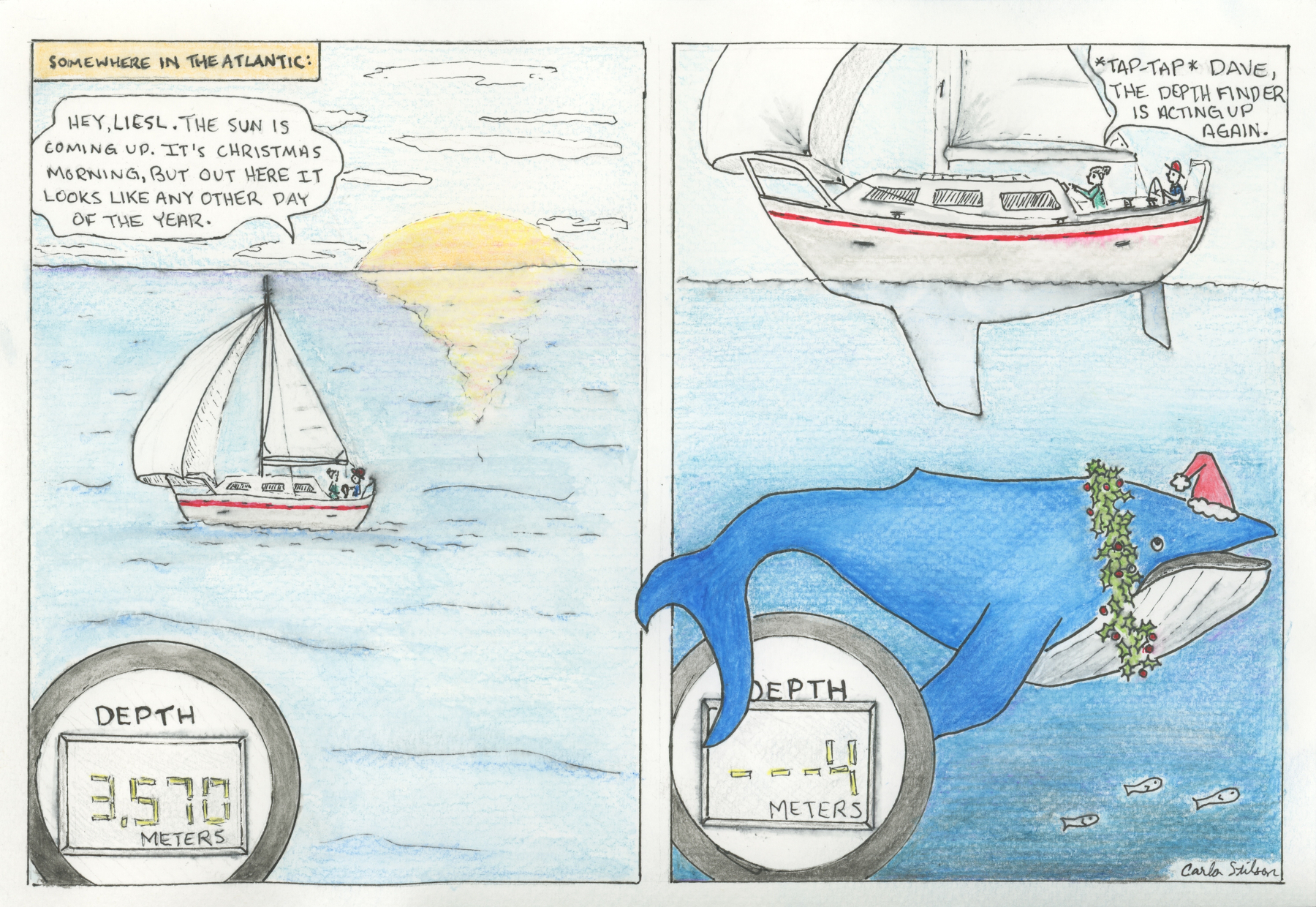
That’s a scan of a pen-and-watercolor cartoon she is sending to the captain of the sailboat she and her dad piloted this past summer from Bermuda to Connecticut.
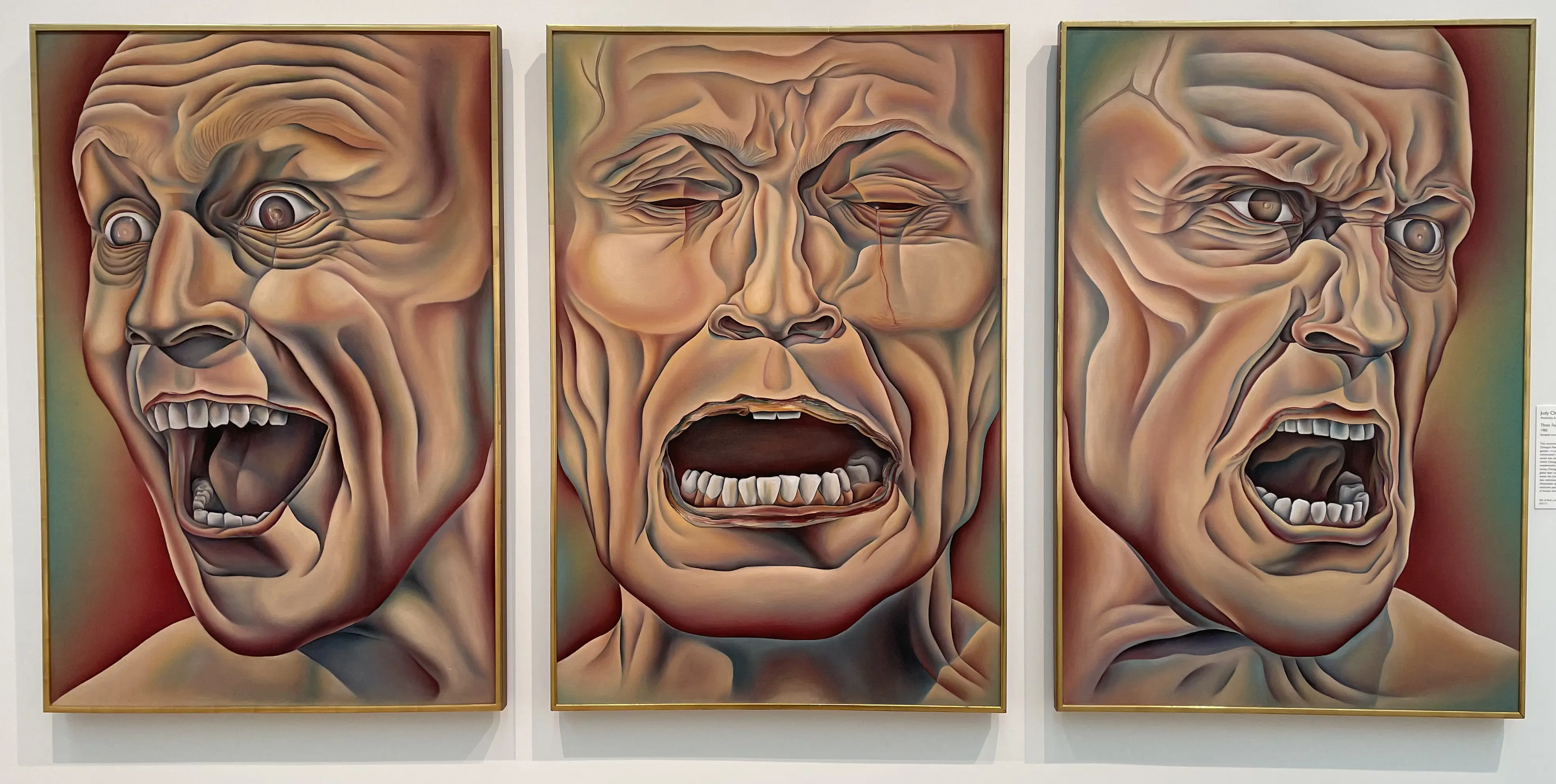
Judy Chicago
American, b. 1939 Three Faces of Man, 1985, from PowerPlay
Sprayed acrylic and oil on linen
54 × 108 inches
I saw this large set of three paintings today on my first visit, along with Aaron and Carla, to the new Palmer Museum of Art. It isn’t the first time I’d seen the work, but it is the first time the work arrested me. The artist apparently means it as a comment on the limited yet borderline violent range of emotions she sees 20th-century men as constrained to display. And while I applaud her comment (and doubly applaud her application of it to the Kavanaugh hearings), that’s not how I took it. Instead, it halted me as depicting the almost sublime power of very expressive emotion. I sympathized with its intensity. While I’m not known for big emotions, I am often, as my daughter has put it, “too facey;” that is, I am known for having an intensely expressive face. And I even feel like I hold back! I often wish I could be more freely intense in my facial and verbal expression without intimidating others.
Maybe that makes me the very man upon which Chicago is commenting.
Less weightily, I also found the work to be cause for celebration because, me being a sometime dabbler in theatre, I see in it a charmingly intense variation on Sock and Buskin. 🎨
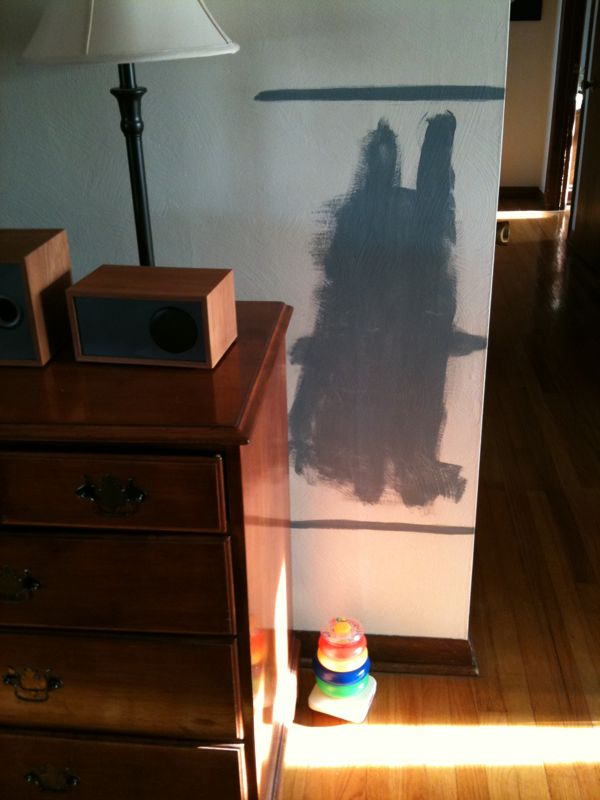
He who hurries his footsteps errs, indeed. Spurty much? This reminds me a me. It is such a joy to exercise my spurty strength, but it is often a mess afterwards. I should not act like this, as funny as it is.
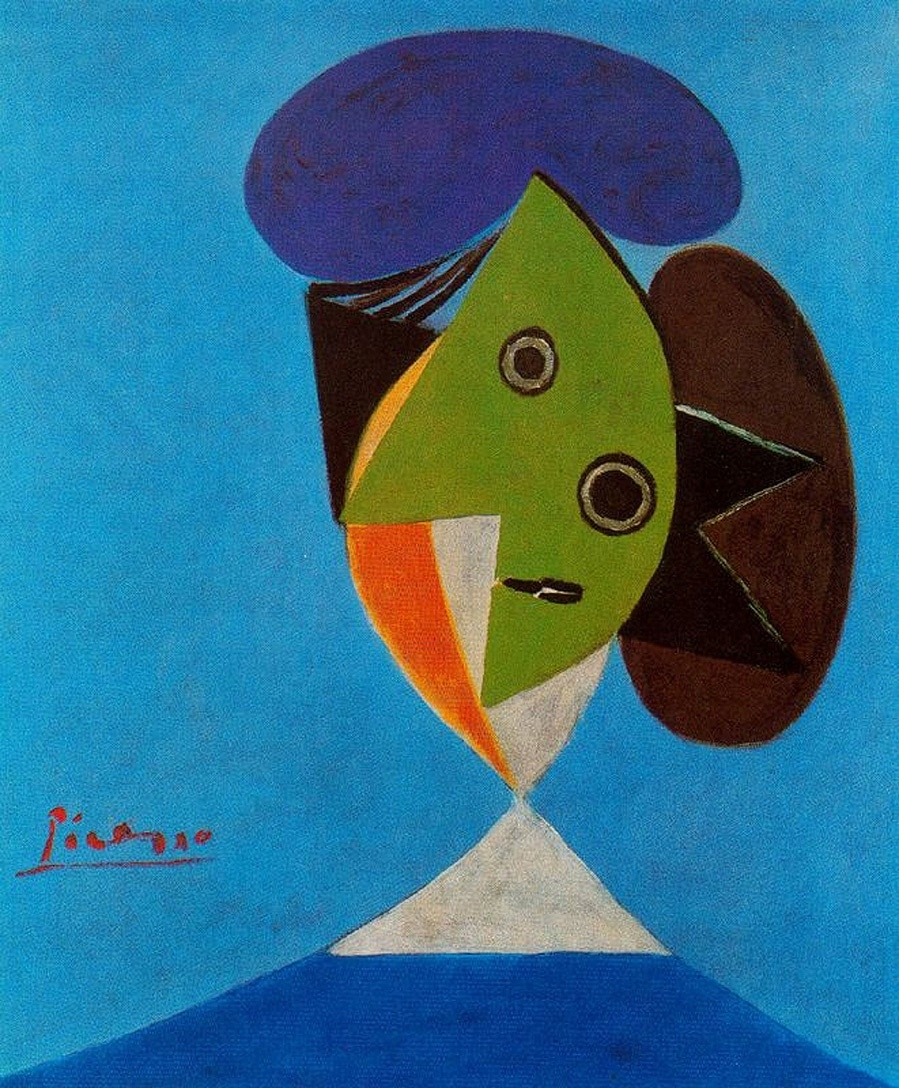
Wow, Wikipaintings.org! The children spent about an hour on top of the piano viewing photos of paintings and sculptures, including probably one too many nudes. It was prompted by our playing with Mr. & Mrs. Potato Head reminding me of Picasso.
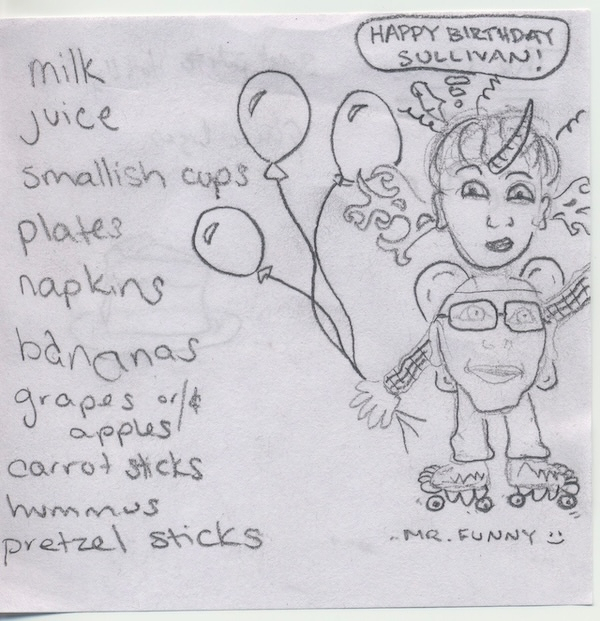
Carla drew the above Mr. Funny collaboratively with the kids. We all thought it hilarious.
Alas, the rest of my day was tiring. At DiamondBack, I’m working on hooking up our contact-us forms to Salesforce via something they call “Visualforce.” And at home, I’m about three million miles away from finishing the Choral Society website.
Web development feels more and more like writing formal papers, the bane of my academic career.
But then, it is by definition always easier to enjoy the facile, isn’t it? Let’s face it: I just don’t like projects whose work isn’t like water falling down a sluice.
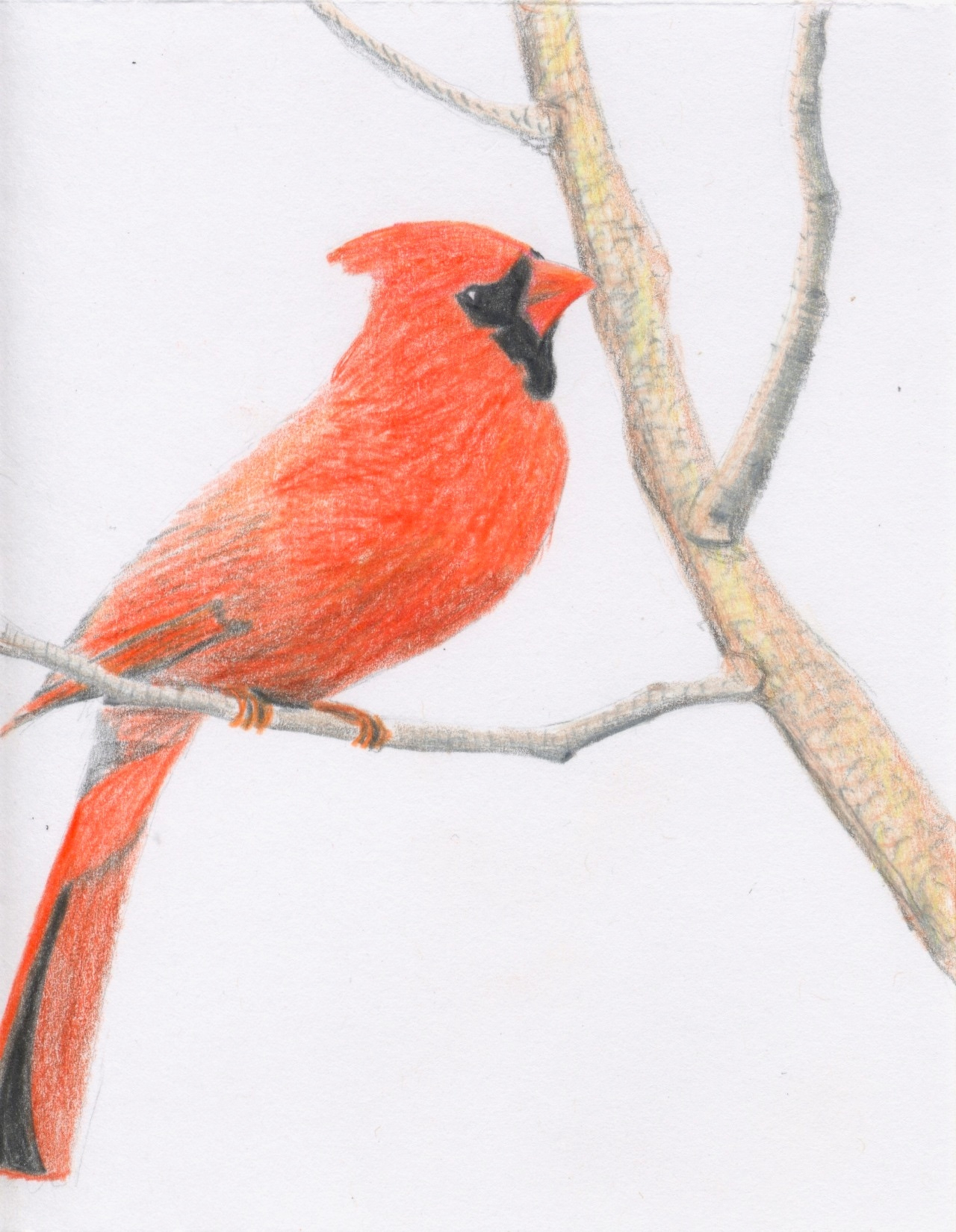
Above is a drawing of a cardinal Carla did for the front of a Christmas card for the Wendles. She is so good.
She is also pretty sick. Ibuprofen allowed her to enjoy the party at the Wendles’ house this evening while the I and the sick or recovering kids stayed home, ate homemade pizza, read books, and listened to tunes. But boy, did it wear off when she returned home. Lord, may I be a sympathetic, brotherly, kindhearted husband tomorrow.